
An Ausangate trek with a Rainbow Mountain visit
An Ausangate trek can bring you to Vinicunca through a multi-day camping itinerary rather than a single outing from Cusco. The two trips here last three days and combine the Ausangate landscape with Rainbow Mountain. Choose this format for time on the trail and nights in camp, with a guide and cooking support. It requires a different decision from the day tours from Cusco: you are also choosing where and how to sleep at altitude.
Ausangate lies in the Vilcanota range, in Ocongate district and Quispicanchi province. Vinicunca has a geographical relationship with this mountain region, but a camping trek that visits Rainbow Mountain is not an ascent of Ausangate's summit. Keep the actual itinerary central to your choice rather than treating every trip carrying the mountain's name as the same walk.
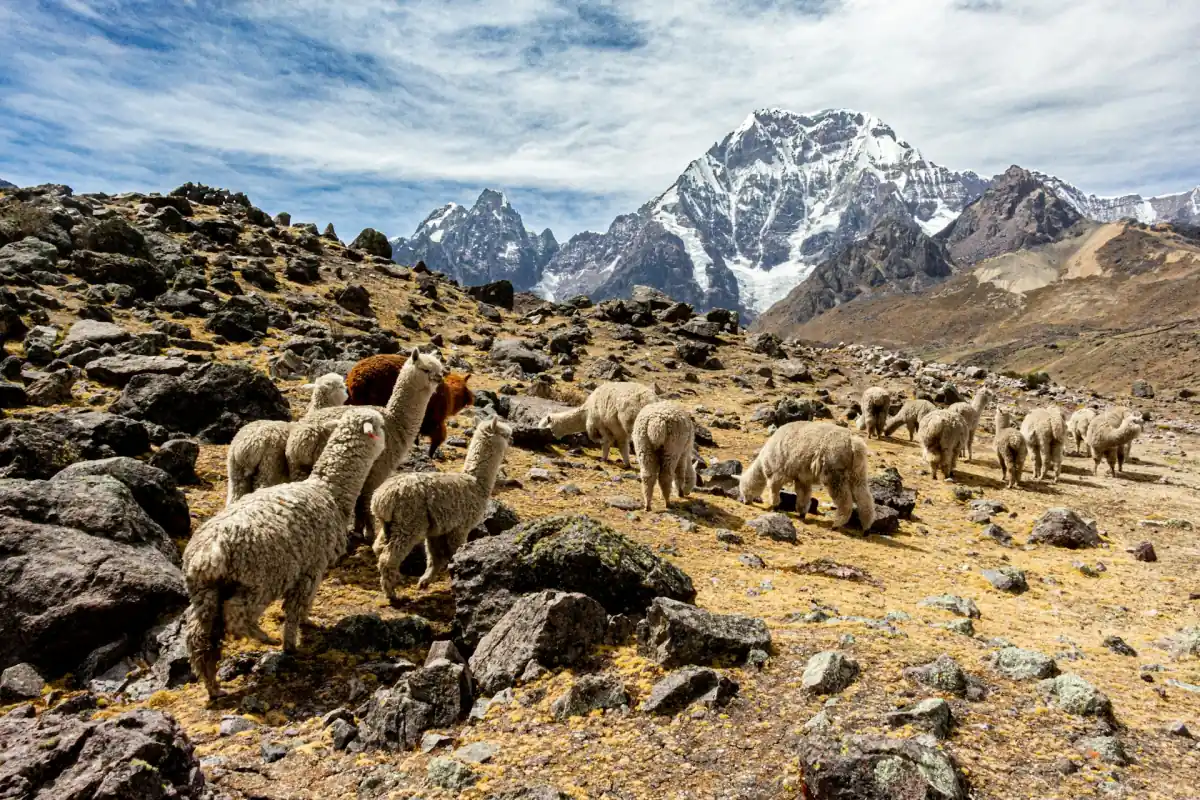
Ausangate treks via Vinicunca
Our take: Both treks include camping equipment and a cook. Compare the included baggage allowance and budget separately for entry.
Hand-picked tours, booked through GetYourGuide. Prices are indicative starting prices in US dollars (as of November 2026). Tap a tour for live availability and the current price in your currency.
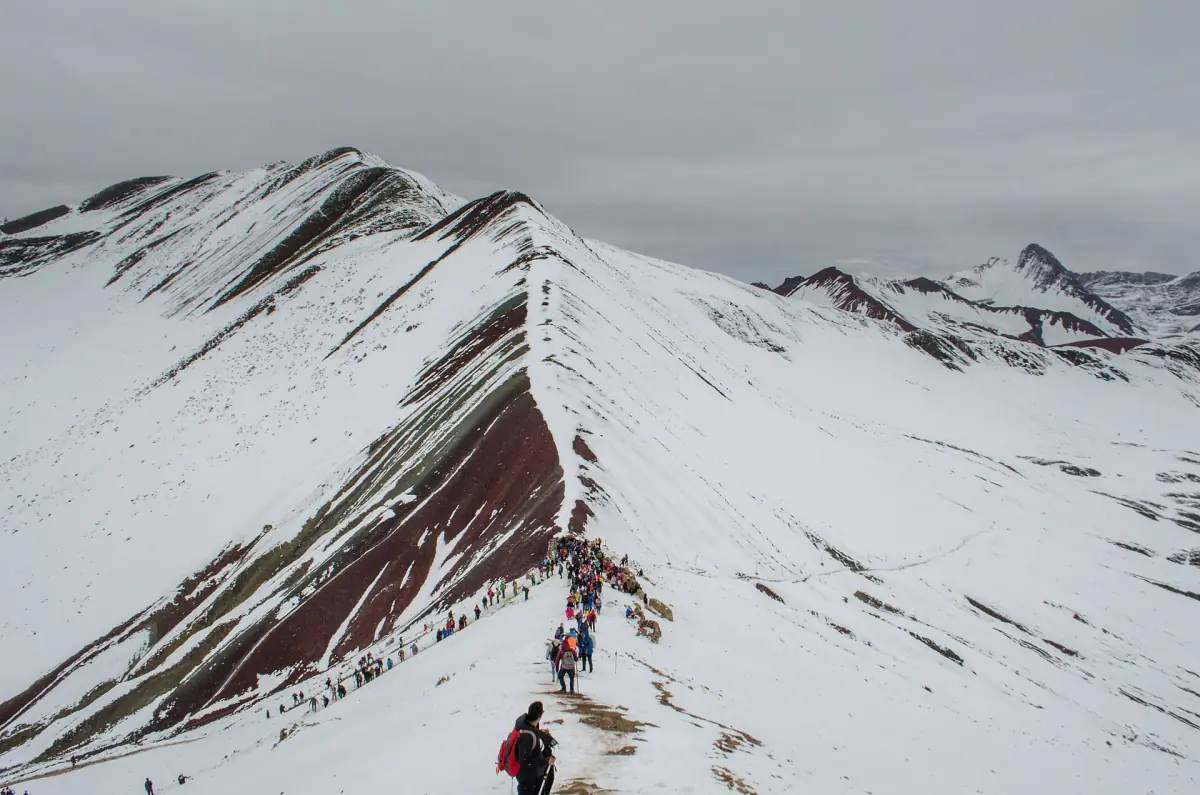
Ausangate trek via Vinicunca
- Cook throughout the trek
- Camping equipment
- Emergency oxygen
Staff carry up to 5 kg of personal belongings between camps. Entry and rental equipment cost extra.
Check availability →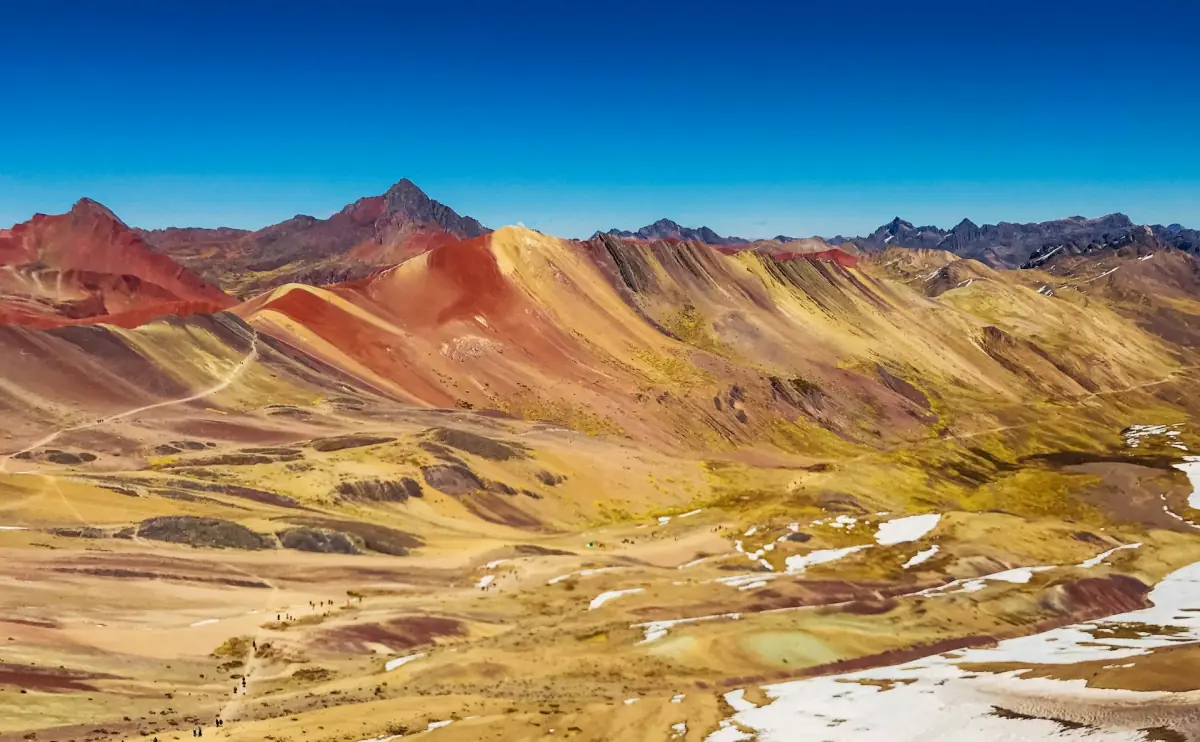
Three-day Ausangate and Vinicunca trek
- Camping Tent
- Sleeping mats
- 3 breakfasts, 3 lunches
Horses carry up to 7 kg of personal items. Entry fees and sleeping bags cost extra.
Check availability →Three-day Ausangate treks
Our take: Choose by sleeping equipment and baggage allowance. Both trips reach Vinicunca; entrance fees remain separate, and the Red Valley itinerary also includes that landscape.
Three days with cooking and baggage support
The trek with Rainbow Mountain and Red Valley includes a safety briefing the day before departure, collection from your Cusco hotel and transport back to your hotel at the end. An English- and Spanish-speaking guide accompanies the route, and a cook prepares three breakfasts, three lunches and two dinners. Vegetarian and vegan meal options, drinking water and trail snacks are included. Vinicunca and Red Valley feature on the third day.
A tent, sleeping mats and a duffel bag per person form part of the camping equipment. Horses and muleteers carry personal items up to the stated allowance of 7 kg. That service is for baggage: keep the items needed while walking with you and organise your packing around the baggage limit. A sleeping bag, blankets, pillows and trekking poles are separately rented items. Entrance tickets for Ausangate, Rainbow Mountain and Red Valley are additional costs.
A camp setup with a different equipment list
The other three-day Ausangate and Rainbow Mountain trek includes an English-speaking guide, a cook, vegetarian, vegan and special dietary meals, snacks and camping equipment. Four-person tents are shared by two travellers. Each person receives a foam sleeping mat, fleece blanket, pillow and a hot water bottle at night. A portable toilet is also included. These concrete camp details are useful when deciding what to bring yourself.
Staff transport duffel bags with up to 5 kg of personal belongings between campsites. Collection covers the specified Cusco area; travellers outside it use an agreed meeting point in the historic centre. Entrance fees and additional rental equipment are extra. Compare these allowances and sleeping items directly with the other trek, rather than choosing simply by the shared three-day duration. Match the tent arrangement to your travel party and leave room in your budget for the separate entry charges.
Sleeping altitude and preparation
Sleeping high is a central part of the decision. The CDC guidance dated 23 April 2025, in its 2026 Yellow Book, places particular importance on the first three to five days of acute acclimatisation. Above 3,000 m, its general guidance is to increase sleeping altitude by no more than about 500 m per day, with an additional acclimatisation day for each 1,000 m. This concerns sleeping altitude, not a walking-speed target or a calculation of daily trail distance.
Consider the overnight sequence alongside your arrival in Cusco, which is already around 3,350 m. Fitness does not determine susceptibility to altitude illness. During the first 48 hours, the general guidance is light exertion and no alcohol. Discuss individual prevention and existing conditions with a doctor. Read the hiking and altitude preparation guide before committing to nights in the mountains.
Headache, dizziness, unusual tiredness, appetite loss, nausea or vomiting after gaining height can indicate altitude illness. Do not ascend further with symptoms; worsening symptoms at the same altitude require descent. Confusion, difficulty walking or breathlessness at rest require urgent descent and medical help. Included emergency oxygen and first-aid equipment do not remove the need to respond to symptoms.
Camping, weather and the alternative day visit
Prepare your clothing for high-mountain conditions and review the season and weather guidance. A night in camp should be chosen for the trekking experience, rather than a promised sunrise photograph. For an explicitly sunrise-focused guided visit, see the private tour options. If you prefer to return to your Cusco sleeping base, compare a day hike instead of adding camping merely to reach Vinicunca.
Questions about your visit
Do both trips visit Rainbow Mountain?
Yes. Both three-day treks include Vinicunca in their itinerary. The trek with Red Valley includes that landscape as well; they are camping journeys rather than summit climbs.
Is a sleeping bag included?
The Red Valley trek lists sleeping bags as rental items. The other trek also separates sleeping-bag rental from its basic camp equipment. Put your sleeping system on your packing checklist.
Do baggage horses mean I can ride?
The horses on the trek with the 7 kg allowance carry personal belongings. Choose the walk on its hiking demands, with the baggage service treated separately.